How to Reduce Damage and Protect Products During Industrial Transportation
Learn how packaging automation helps reduce product damage, improve load protection, and increase logistics efficiency in increasingly demanding industrial operations.
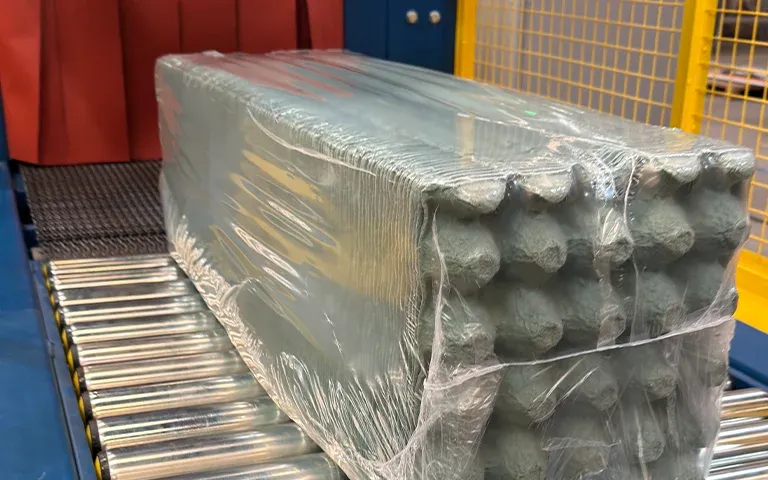
Industrial logistics has become one of the main challenges for companies seeking to improve competitiveness and ensure customer satisfaction. As supply chains become more complex and distribution networks expand, protecting products throughout the transportation process has become a strategic priority.
During transportation, products are exposed to impacts, friction, improper stacking, moisture, and various other conditions that can compromise their integrity. When damage occurs, the consequences extend far beyond the loss of the product itself. Replacement costs, reverse logistics, rework, delivery delays, and damage to brand reputation can directly affect operational efficiency and profitability.
In this scenario, packaging plays a critical role.
More than simply grouping or wrapping products, effective industrial packaging must provide adequate protection throughout every stage of handling, storage, and transportation. Achieving this requires standardized processes and technologies capable of delivering consistent results.
Packaging automation helps reduce operational failures and ensures the uniform application of protective materials. Solutions such as Stretch Wrapping Machines, Shrink Tunnels, and automated packaging lines contribute to improved load security, better use of packaging materials, and increased productivity.
Another key factor is selecting the right materials for each application. Films and packaging systems must be chosen according to the characteristics of the product, including weight, dimensions, fragility, and transportation conditions. The right combination of equipment, consumables, and application methods is essential to achieving optimal logistics performance.
In addition to protecting products, automation contributes to process standardization, reducing waste and providing greater operational predictability. This enables companies to gain better control over costs while increasing production and distribution capacity with confidence.
In an increasingly competitive market, investing in packaging solutions is no longer simply an operational decision. It is a strategy for improving efficiency, reducing losses, and strengthening customer confidence with every delivery.
Ensuring that products arrive at their destination in the same condition in which they left the factory is an ongoing challenge. It is also a significant opportunity for companies seeking to transform logistics into a competitive advantage.
Latest articles

Why your shipping department needs to evolve
If you walk into your factory's shipping area today, what do you see? If the scene includes an employee circling a pallet, hunched over and holding a roll of stretch film, you have an invisible bottleneck draining your profits.

How to scale your production without compromising cash flow
In today's industrial landscape, agility is as vital as the technology itself. However, implementing a 100% automated line all at once does not always reflect the financial or operational reality of every factory. The good news is that modern engineering allows for a much smarter and more accessible path: modular automation.
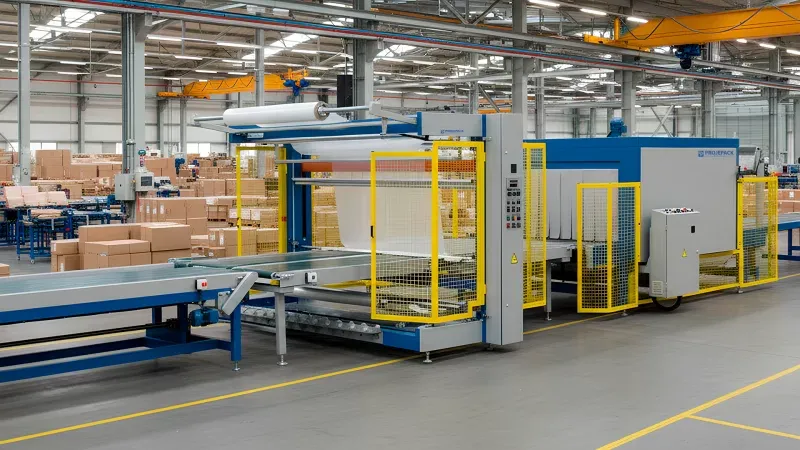
Trends in the Industrial Packaging Sector and how Projepack is prepared for this new era of innovation
The industrial packaging sector is undergoing one of the biggest transformations in decades. As industries demand greater efficiency, safety, and sustainability, automation has become the backbone of modern, competitive production lines.