Why using more material doesn't guarantee adequate packaging either?
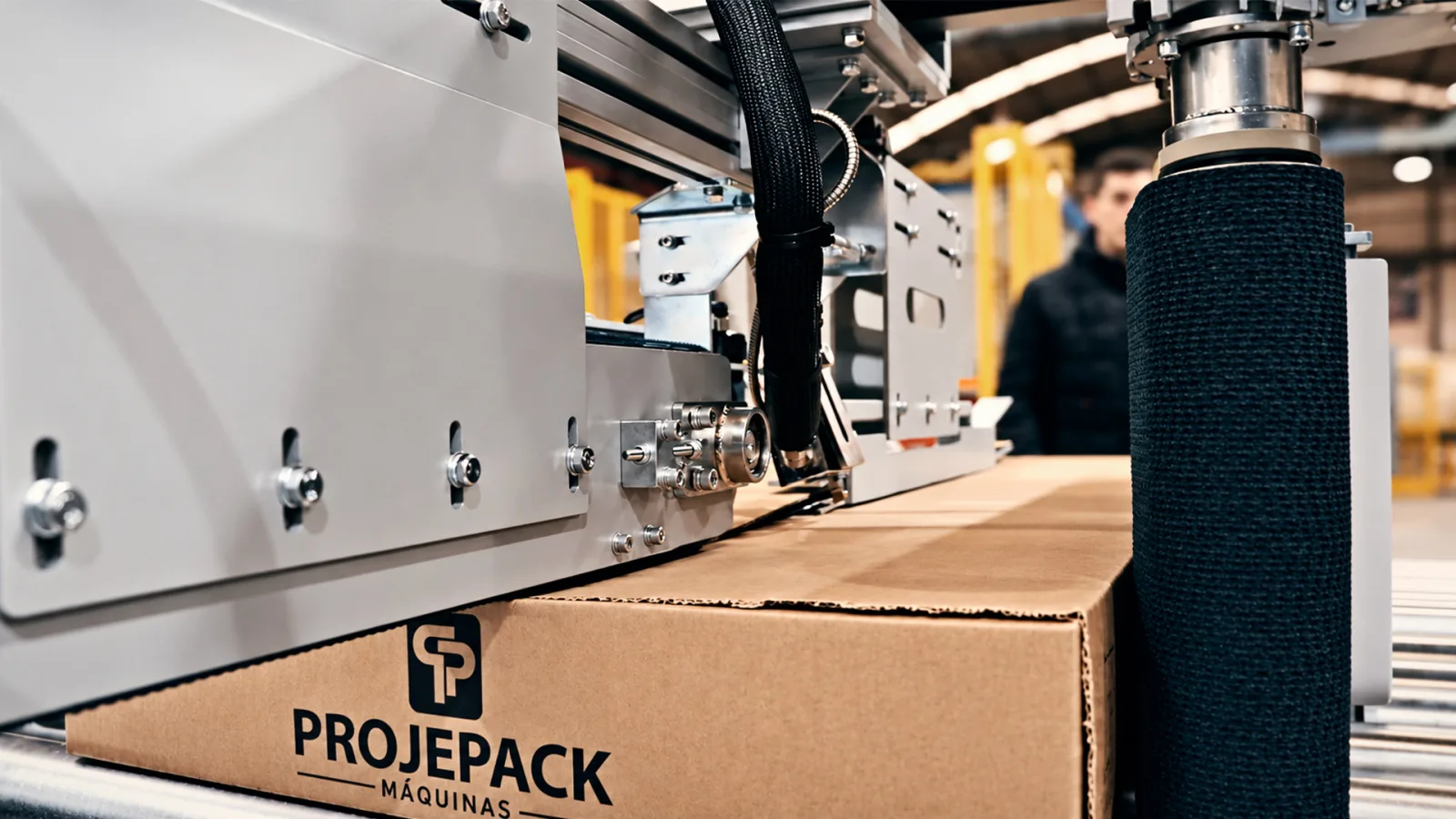
A product arrives damaged to the customer. At the factory, the first reaction might be to reinforce the packaging: add layers, increase thickness, or wrap the volume one more time.
This change might be necessary, but when the cause of the damage has not yet been identified, there is a risk of increasing material consumption and continuing to receive the same complaint.
The quantity used is one part of the decision. Protection also depends on the product's characteristics, the function of each material, and how the packaging is applied.
Before reinforcing, understand what failed.
Damage provides information that helps investigate the problem. A scratch on the surface, a dented corner, and a part that shifted during transport point to different situations.
It is necessary to observe where the damage appears, how often it happens, and which products are affected. It is also worth checking when it might have occurred: during internal handling, storage, loading, or delivery.
Imagine a piece of furniture that shows recurring damage on the same corner. Adding material around the entire volume might not sufficiently protect that spot. The investigation needs to consider how that corner is protected and what contacts or stresses it receives along the way.
This is a hypothetical example, but it shows a practical issue: reinforcing packaging without understanding the failure can leave the most vulnerable area with the same problem.
Each material must fulfill a function.
Containing a set of parts, protecting a finish, and cushioning impacts are different needs. An efficient solution for one of them might require complements to meet the others.
Therefore, the evaluation begins with the product. Weight, dimensions, shape, finish, and sensitive points help define what the packaging should do.
A surface that requires care against friction demands a different analysis than a set of components that needs to remain organized. A volume with protruding parts may also require specific protection in those regions.
The question that guides the choice is: what risk does each packaging component need to control? When this function is clear, it becomes easier to assess whether the material is adequate, if it needs to be repositioned, or if it is really necessary to add protection.
Application also interferes with the result.
Even an appropriate material depends on an application compatible with the product and the process.
Positioning, coverage, sealing, and equipment adjustments need to be evaluated according to the solution used. If an important region is exposed or a protective element moves out of place during handling, increasing consumption may not correct the failure.
It is at this point that packaging and equipment need to be analyzed together. The process must be able to apply the intended protection consistently, considering the variations of products that pass through the line.
When changing from one model to another, for example, it may be necessary to review settings. Repeating the same configuration for different volumes requires checking if the result remains adequate.
The evaluation continues after the machine leaves.
Packaging that looks good at the end of the process still needs to face the conditions of handling, storage, and transport.
Therefore, the evaluation must consider the journey to the customer. How are the volumes supported? Is there stacking? How many times are they handled? Are there contact points that can damage the finish?
Tests with representative products and conditions compatible with distribution help verify the solution. Monitoring damage and recording complaints also allow identifying patterns and guiding adjustments.
The objective is to confirm whether the packaging fulfills its function during the planned journey.
How to review your factory's packaging:
Before increasing the amount of material, gather this information:
- Observed damage: type, location, and frequency.
- Affected product: weight, shape, finish, and vulnerable regions.
- Current packaging: function of each material and method of application.
- Journey: internal handling, storage, loading, and transport.
- Validation: how it will be verified if the change solved the problem.
This analysis may indicate the need for more material, another material, or a change in the process. The decision needs to follow the cause found.
Projepack develops machines and solutions for packaging, handling, and automation for the industrial end-of-line. When discussing a project, the product characteristics and operating conditions help guide the choice of equipment and the method of packaging application.
Talk to the Projepack team about what your factory needs to package and the difficulties that arise in the process.
Projepack. Technology for industrial packaging.
Latest articles
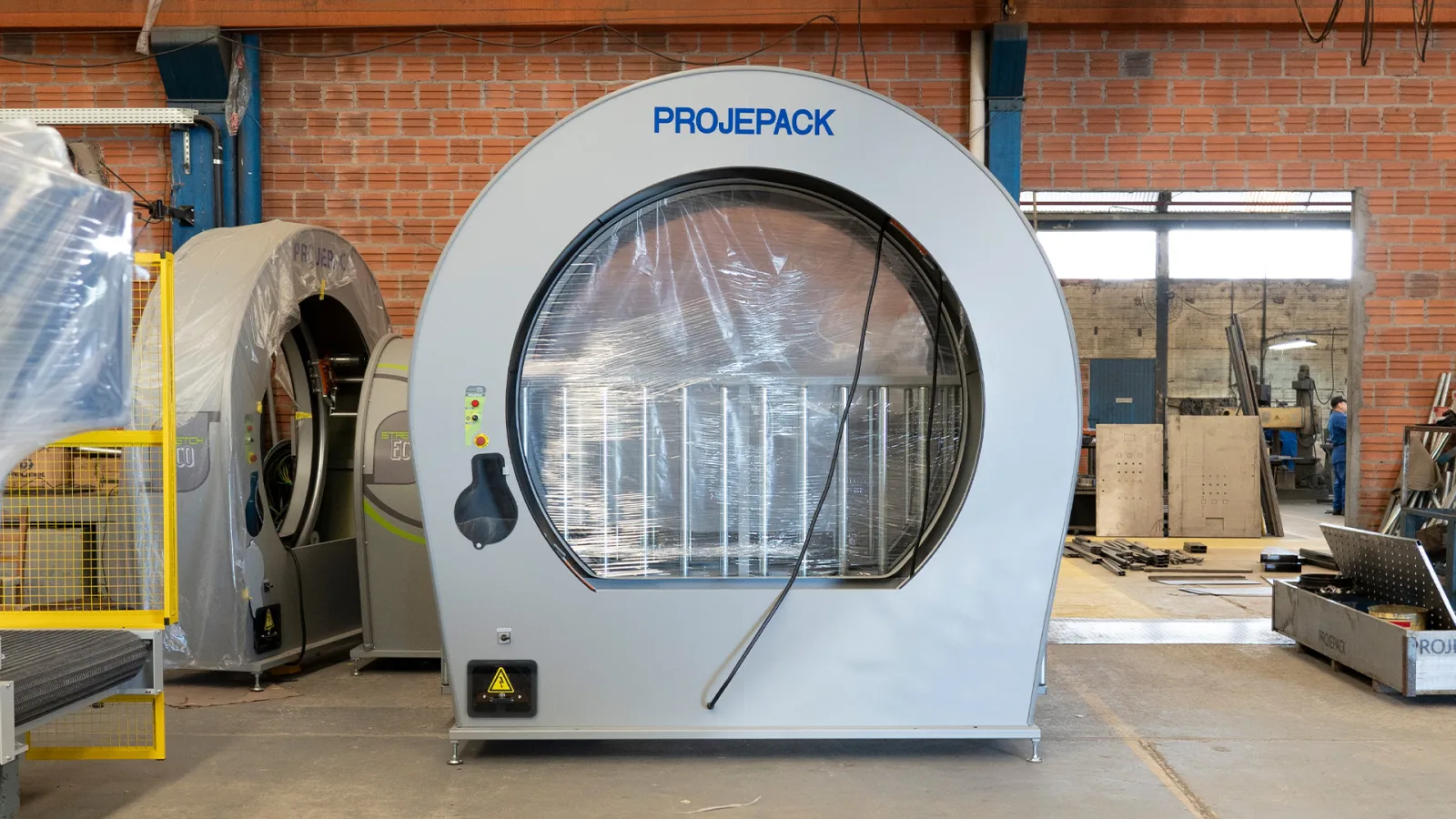
Is automating everything at once the best way?
A factory needs to increase its packaging capacity, but replacing the entire end-of-line requires investment, planning, and operational changes. Waiting until e
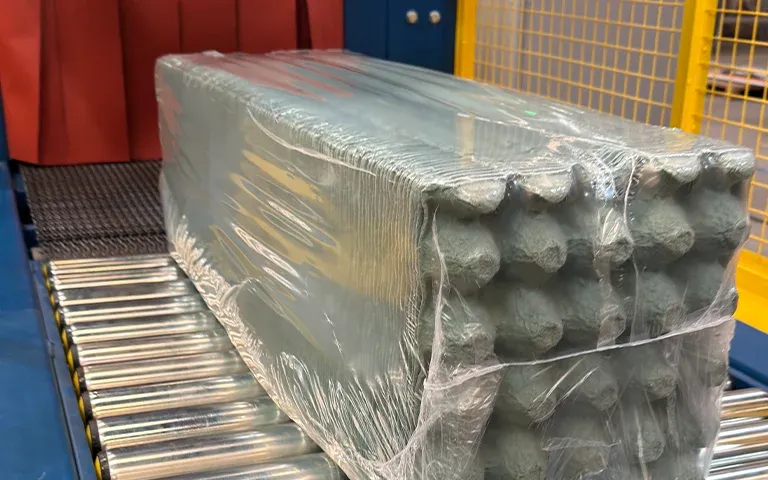
How to Reduce Damage and Protect Products During Industrial Transportation
Learn how packaging automation helps reduce product damage, improve load protection, and increase logistics efficiency in increasingly demanding industrial operations.
Why your shipping department needs to evolve
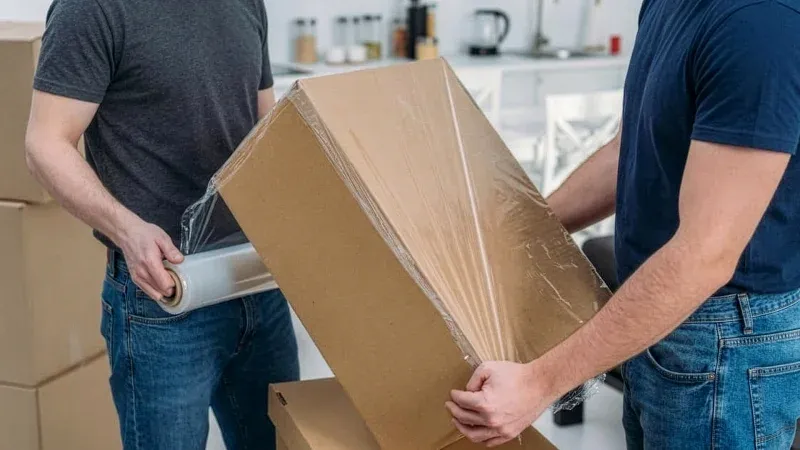
If you walk into your factory's shipping area today, what do you see? If the scene includes an employee circling a pallet, hunched over and holding a roll of stretch film, you have an invisible bottleneck draining your profits.