Why your shipping department needs to evolve
If you walk into your factory's shipping area today, what do you see? If the scene includes an employee circling a pallet, hunched over and holding a roll of stretch film, you have an invisible bottleneck draining your profits.
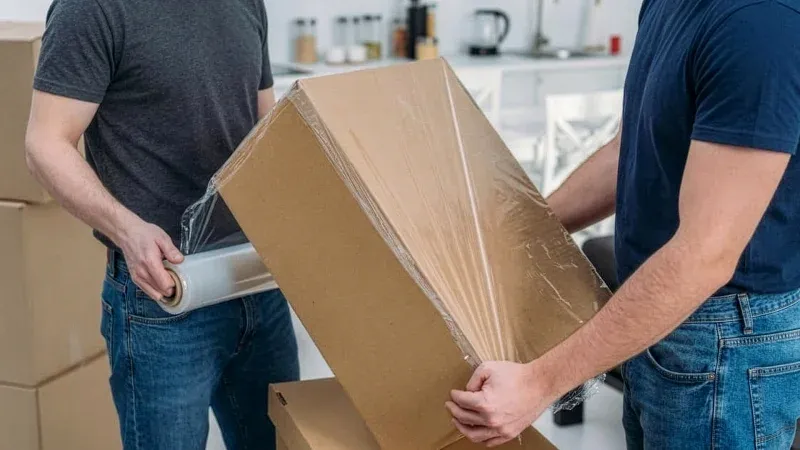
Manual packaging carries three major problems. First is the waste of materials. Without the stretch control a machine offers, far more film is used than necessary for protection that is often inferior.
The second point is your team's health. Repetitive effort and poor posture lead to fatigue and medical leave, slowing down any production line. Finally, there is the issue of professional image. A manually wrapped pallet rarely has the standardization of an automated process.
Upgrading to a solution like Stretch ECO isn't just buying a machine; it's buying time, health for your team, and real savings. Automation doesn't have to be a giant leap; it can be the simple step of stopping the cycle of waste.
Latest articles
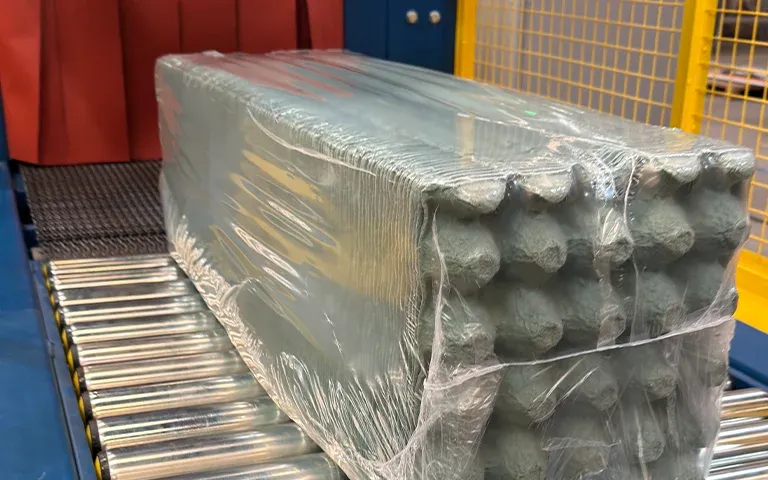
How to Reduce Damage and Protect Products During Industrial Transportation
Learn how packaging automation helps reduce product damage, improve load protection, and increase logistics efficiency in increasingly demanding industrial operations.

How to scale your production without compromising cash flow
In today's industrial landscape, agility is as vital as the technology itself. However, implementing a 100% automated line all at once does not always reflect the financial or operational reality of every factory. The good news is that modern engineering allows for a much smarter and more accessible path: modular automation.
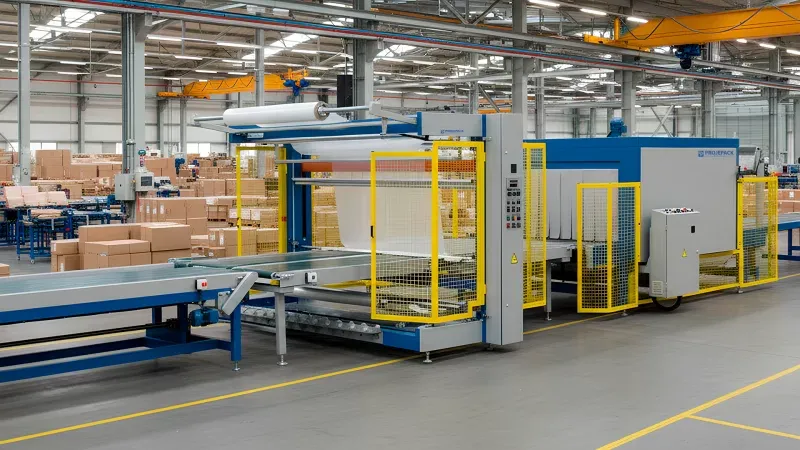
Trends in the Industrial Packaging Sector and how Projepack is prepared for this new era of innovation
The industrial packaging sector is undergoing one of the biggest transformations in decades. As industries demand greater efficiency, safety, and sustainability, automation has become the backbone of modern, competitive production lines.